The Vape Market in Spain: Delivery, Bans, and Shadow Advertising
The Spanish market for electronic cigarettes and e-liquids is going through a contradictory phase. On one hand, there is growing demand, especially among young people and former smokers switching to alternative forms of nicotine consumption. On the other, there is tightening regulation that puts the entire industry, including delivery, in a complex legal position. Let's break down how the market is structured, what is banned, what is allowed, and what marketing strategies sellers use under legal restrictions.
Buy Vapes / E-Liquids Torrevieja / Alicante
The key document regulating the circulation of electronic cigarettes and e-liquids in Spain is Real Decreto 579/2017. It incorporated the main provisions of the European Tobacco Products Directive (TPD, 2014/40/EU) into national law and established strict boundaries for the market.
The main restrictions look like this:
Cross-border distance selling of nicotine-containing liquids is prohibited. This means that any online store registered in Spain cannot legally sell nicotine-containing liquids remotely if the buyer is in another EU country. Similarly, a Spanish consumer cannot legally order nicotine e-liquid from abroad.
Domestic online sales in Spain are permitted, but with restrictions. The store must have an age verification system (strictly 18+), and delivery must include verification of the recipient's identity. The courier cannot leave the order in a mailbox or hand it to a minor. In practice, this creates logistical challenges, and not all sellers fully comply with the requirements.
Nicotine-free liquids are formally not banned from distance selling, as they do not fall under the definition of a tobacco product. This is a gray area actively exploited by sellers: the website offers a wide range of "zero-nic" liquids and flavorings, while nicotine boosters are allegedly sold separately, often through messengers or in person.
Advertising is strictly restricted. Direct promotion in mass media, outdoor advertising, sponsorship, and promotional activities for electronic cigarettes and nicotine-containing liquids are banned. Only advertising at points of sale and in specialized industry publications for professionals is allowed.
The Delivery Market: Couriers, Dark Stores, and Telegram
Despite the restrictions, a stable vape product delivery market has formed in Spain. It operates in three main formats.
1. Legal Online Stores with Verification
Large vape shop chains (e.g., Vapeo24, VapVip, DeluxeVapor) have online storefronts with age verification systems using DNI (national ID) or uploading a selfie with the ID. They deliver orders via Seur, Correos Express, MRW, and other services with mandatory ID presentation upon receipt. These stores try to operate above board but must navigate between legal requirements and customer demands for fast, hassle-free delivery.
2. Delivery via Messengers and Social Networks
This is the fastest-growing segment. Hundreds of channels and chats on Telegram, WhatsApp, and Instagram offer delivery of vapes, e-liquids, and disposables within 1–2 hours in Barcelona, Madrid, Valencia, and resort areas like Costa Brava and Costa del Sol. The scheme is simple: the customer selects a product from a price list in the channel, contacts an operator, gets confirmation, and a courier on a scooter or car delivers the order to the door. Payment is in cash or via Bizum.
This model completely mirrors the drug delivery mechanics that have emerged in large cities, consciously or not, exploiting the same aesthetic. Some channels use openly provocative names playing on drug slang, neon graphics, and aggressive visual styles. The target is a young audience looking for fast service without age checks or bureaucracy.
The legal status of such delivery is gray or outright illegal. There is no age verification, no receipts, no compliance with storage and transportation standards. For the consumer, this also carries risks: no guarantee of quality, liquid origin, or device authenticity.
3. "Dark" Offline Points with Delivery
A separate phenomenon is stores that formally operate as regular vape shops but generate most of their turnover through delivery. They register a legal entity, obtain a retail license, but instead of developing a storefront, they invest in Telegram channels and courier networks. This hybrid approach allows partial legalization of the business, but main sales still bypass the cash register and fiscalization.
Disposables and Youth: A New Battleground
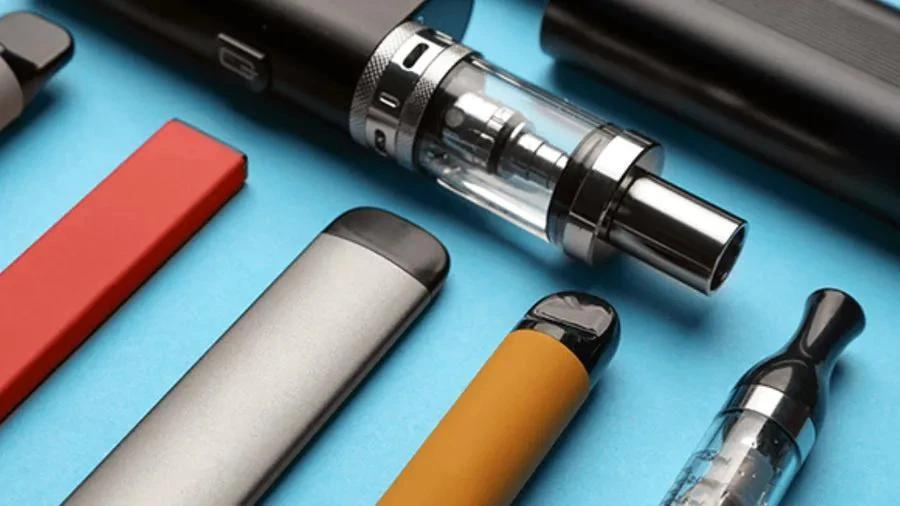
In 2022–2024, the Spanish market was flooded with disposable electronic cigarettes (pod systems) — Elf Bar, Lost Mary, Vuse, and dozens of other brands. They are compact, require no refilling, come in bright colors with fruit flavors, and contain high nicotine doses (often 20 mg/ml — the maximum allowed EU level).
Disposables became a hit among teenagers and students. According to a survey by the Spanish Society of Family and Community Medicine (semFYC), one in four adolescents aged 14–18 has tried vaping, and 8–10% use them regularly. Meanwhile, many are unaware they are consuming nicotine, perceiving vaping as a harmless gadget.
In response, the Spanish Ministry of Health announced stricter regulations in 2023: a complete ban on flavorings is being considered (following the Netherlands' example), restrictions on the sale of disposables for environmental reasons, and extending the same rules that apply to nicotine liquids to nicotine-free liquids. A final decision is expected in 2025.
Marketing Strategies Under Bans
Since direct advertising is banned, sellers use workarounds:
- SEO and content marketing — blogs about vaping, device reviews, e-liquid comparisons. Formally informational content, but it effectively leads the reader to make a purchase.
- Instagram and TikTok — viral videos showing vapor, flavors, unboxing. The profile description contains a link to Telegram or WhatsApp.
- Collaborations with micro-bloggers — brand ambassadors receive products for free or for a fee and promote them in their accounts without explicit labeling, violating advertising laws.
- Closed clubs and chats — creating a sense of exclusivity, working through word-of-mouth and invitations.
A special case is the aesthetic exploiting drug allusions. Using words like drug, dope, high, trip, neon in brand and channel names is not accidental but a deliberate marketing strategy. It targets an audience seeking forbidden sensations and associates vaping with counterculture, risk, and nightlife. In the long term, this works against the industry, strengthening the arguments of supporters of strict regulation.
Risks and Prospects
The vape delivery market in Spain is at a tipping point. On one hand, demand is growing, and consumers are getting used to the convenience of ordering through messengers. On the other, regulatory pressure is increasing, and the association of vape culture with drug aesthetics and bypassing age restrictions discredits the industry in the eyes of legislators and society.
It can be predicted that in the next 2–3 years, Spain will follow the path of France and the Netherlands: a ban on flavorings, restrictions or a complete ban on disposables, and stricter control over distance selling. Those market players who are already investing in legalization, transparency, and abandoning provocative marketing have a better chance of surviving the regulatory storm.
Material prepared based on Real Decreto 579/2017, reports from the Spanish Ministry of Health, semFYC survey data, publications from El País, El Confidencial, and market analysis for 2023–2025.