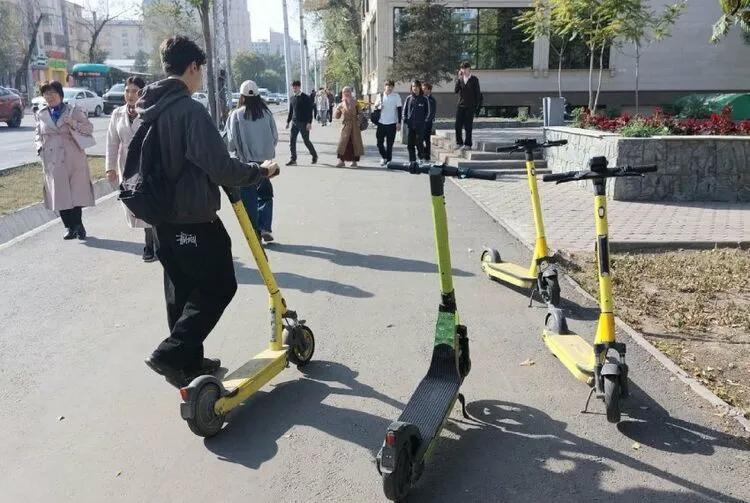
Spain continues to tighten safety requirements for road users. The country's Ministry of the Interior has announced an update to the General Traffic Regulations, which will come into force on October 1, 2026. The innovations will affect millions of users of e-scooters, bicycles, mopeds, and motorcycles across the country.
The main goal of the changes is to reduce the number of accidents, injuries, and fatalities on the roads. In recent years, the popularity of e-scooters and other personal mobility devices has grown significantly. Along with this, the number of road traffic accidents involving such vehicles has also increased.
Spain's new traffic rules impose stricter requirements on equipment, driver age, and the use of protective gear. Experts believe that these measures will help make roads safer for both drivers and pedestrians.
New rules for e-scooters in Spain
Some of the most noticeable changes will affect users of e-scooters, which in Spain are classified as VMP (Vehículos de Movilidad Personal).
According to the new rules, from October 1, 2026, the minimum age for riding an e-scooter will be 15 years. This means that children younger than this age will no longer be able to legally use such vehicles on public roads.
The authorities explain this decision as necessary to improve the safety of minors. Statistics show that teenagers are often involved in accidents due to lack of experience and poor assessment of the road situation.
Another important change will be the mandatory use of a helmet. While requirements previously varied by municipality, a protective helmet will now be compulsory for all e-scooter users without exception.
Additionally, scooter riders will have to ensure their visibility at night and in poor weather conditions. A reflective vest becomes a mandatory piece of equipment at night, as well as during rain, fog, and other situations with limited visibility.
Helmet mandatory for all two-wheeler users
Spain's new traffic rules strengthen requirements not only for e-scooter owners.
From October 1, 2026, mandatory helmet wearing extends to users of bicycles, mopeds, and motorcycles, regardless of the time of day or location of travel.
Authorities note that even short city trips at low speeds can lead to serious consequences in the event of a fall. That is why the use of a protective helmet is now mandatory at all times, without any exceptions.
According to road safety experts, a properly fitted helmet can significantly reduce the risk of severe head injuries and save lives in the event of an accident.
New requirements for couriers and delivery workers
Special attention in the updated rules is given to people who use vehicles for professional purposes.
Couriers, delivery service workers, and other specialists who travel on scooters, bicycles, mopeds, or motorcycles as part of their job are now required to wear reflective vests.
This requirement aims to increase the visibility of workers on the road, especially in the evening and in heavy city traffic.
Representatives of transport authorities note that delivery workers often spend many hours on the road continuously, so additional protection and visibility are important safety factors.
What will change for motorcyclists
Motorcycle owners will face additional equipment requirements.
According to the new rules, protective gloves become mandatory even when riding on city streets. Previously, many motorcyclists used gloves only for long trips, but now this requirement will be mandatory under all conditions.
Experts explain this decision by noting that when falling, a person instinctively puts their hands forward. That is why hands and fingers often suffer serious injuries during accidents.
Another change concerns footwear. The use of flip-flops, open sandals, and other unsuitable footwear will be prohibited.
From October 1, 2026, motorcycle riders must only wear closed footwear that provides adequate protection for the foot and ankle joint.
Such measures have long been in place in several European countries and have proven effective in reducing the severity of injuries in road traffic accidents.
Certified helmets become mandatory from 2027
Another important change will come into effect a year later.
From October 1, 2027, all helmets used by drivers of e-scooters, bicycles, mopeds, and motorcycles must comply with official safety standards and have the necessary certification.
This means that cheap uncertified models that have not passed quality checks could become illegal.
The authorities plan to step up checks on protective equipment compliance with established requirements. The main goal is to eliminate the use of products that look like protective helmets but do not actually provide the necessary level of safety.
Experts recommend paying attention to the presence of certificates and markings when buying a new helmet right now.
Why Spain is tightening the rules
In recent years, e-scooters have become an integral part of urban mobility. Their popularity has grown especially in large cities and tourist regions of the country.
However, along with convenience, new problems have emerged. The number of collisions with pedestrians has increased, accidents at intersections have risen, and cases of serious injuries have become more frequent.
A similar situation is observed among cyclists and motorcyclists. Despite the development of infrastructure and the construction of new bike lanes, accident statistics continue to cause concern for the authorities.
That is why the Spanish government is betting on prevention and increasing the level of personal safety for road users.
What needs to be done before the rules come into force
E-scooter users should ensure they meet the new age restriction and have a quality protective helmet.
Cyclists are advised to purchase certified protective equipment in advance and get used to wearing it constantly.
Motorcyclists need to check their gear, including the presence of protective gloves and suitable closed footwear.
Courier companies and delivery services should prepare in advance for the new requirements and provide employees with reflective vests.
New rules for motorcyclists and scooters
From October 1, 2026, Spain is introducing some of the most significant changes to traffic regulations in recent years. Mandatory helmets, age restrictions for e-scooters, the use of reflective vests, new equipment requirements for motorcyclists, and the transition to certified protective gear are set to improve road safety in the country.
For millions of residents and tourists, these changes mean a need for a more responsible approach to their own safety. The authorities are confident that the new rules will help reduce the number of accidents and make Spain's roads safer for all road users.