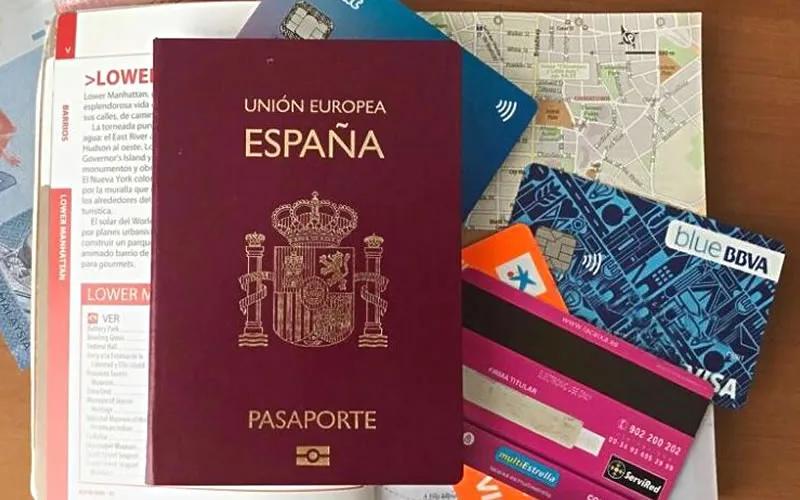
Ein Umzug nach Spanien malt Bilder von Stränden, Siesta und einem Glas Wein bei Sonnenuntergang in die Vorstellung. Doch die Realität empfängt Sie mit Härte: Sie erwarten Warteschlangen vor Behörden, unverständliche Abkürzungen und Webseiten, die sich hartnäckig weigern, ohne elektronische Signatur zu öffnen. Dieser Artikel ist Ihr Rettungsanker. Wir haben die Antworten auf die beliebtesten (und nervenaufreibendsten) Suchanfragen deutschsprachiger Expats zusammengestellt und jeden Schritt verständlich erklärt. Von der ersten Terminbuchung bis zur Anerkennung Ihres Diploms.
1. Wie buche ich einen Termin bei der Ausländerbehörde (Cita previa extranjería)
Die Worte «cita previa extranjería» sind das, was alle Ausländer in Spanien vereint. Es klingt wie ein Zauberspruch, von dem Ihre Zukunft abhängt. «Extranjería» ist kein Spionage-Unterschlupf, sondern die Ausländerabteilung bei der Polizei (Brigada de Extranjería) oder das staatliche Amt (Oficina de Extranjería), wo Aufenthaltsfragen geklärt werden.
Warum ist es so schwierig und wie fängt man einen «Slot»? Das Terminsystem ist der größte Feind. Slots für die Abgabe von Dokumenten (toma de huellas – Fingerabdrucknahme) werden portionsweise freigeschaltet und sind innerhalb von Minuten durch Bots und «Vermittler» vergriffen.
Schritt-für-Schritt-Anleitung zur Terminbuchung:
- Webseite: Das offizielle Portal ist sede.administracionespublicas.gob.es. Suchen Sie den Bereich «Extranjería» -> «Cita previa».
- Wahl der Provinz: Das System fordert Sie auf, die Provinz auszuwählen. Achtung: Die Antragstellung muss streng nach Ihrem Meldeort (empadronamiento) erfolgen. Wer in Torrevieja (Alicante) wohnt, kann nicht nach Murcia gehen.
- Art der Dienstleistung: Für die meisten Standardverfahren (erste Karte, Verlängerung) wählen Sie den Punkt «POLICIA - TOMA DE HUELLAS (EXPEDICIÓN DE TARJETA)». Genau das brauchen Sie, um die Plastikkarte TIE zu erhalten.
- Jagdzeit: Neue Slots werden früh morgens ins System gestellt, oft freitags für die Folgewoche. Nach ungeschriebenen Regeln ist auch der Montagmorgen eine gute Zeit zum Überprüfen.
- Daten: Sie müssen Ihre Reisepassnummer und Ihren Namen eingeben. Seien Sie äußerst aufmerksam: Ein einziger Fehler, und der Termin wird annulliert.
Lifehack: Sie können wochenlang keinen Termin bekommen? Sie können versuchen, ohne Termin (sin cita) ins Büro zu kommen, wenn der Andrang minimal ist (normalerweise zwischen 13:30 und 14:00 Uhr), aber die Beamten haben das volle Recht, Sie abzuweisen. In einigen Regionen helfen autorisierte Sozialdienste bei der Buchung.
2. Die Ausländeridentifikationsnummer (NIE)
Die Abkürzung NIE (Número de Identidad de Extranjero) klingt furchteinflößend, ist aber nur Ihre Steuer- und Identifikationsnummer, die Ausländern zugewiesen wird. Es ist kein Ausweisdokument, sondern eine Referenznummer. Das weiße Blatt im A4-Format mit der Nummer beginnt mit dem Buchstaben X, Y oder Z, gefolgt von 7 Ziffern und einem Kontrollbuchstaben.
Zwei Arten von NIE:
- NIE de residente (für Residenten): Wenn Sie eine Aufenthaltserlaubnis erhalten, wird die NIE direkt auf Ihrer TIE-Karte aufgedruckt. Dies ist eine vollwertige NIE.
- Certificado de NIE (Zertifikat für Nicht-Residenten): Notwendig, wenn Sie nicht dauerhaft in Spanien leben möchten, aber ein Auto oder Haus kaufen oder ein Bankkonto eröffnen wollen. Wird separat ausgestellt und berechtigt nicht zum Aufenthalt.
Wo und wie erhält man die NIE:
- In Spanien: Bei der Polizei (bei Erstantrag) oder in der Comisaría. Benötigt werden das Formular EX-15 (Standardantrag), die Quittung über die Zahlung der tasa 790-012, der Reisepass und eine Begründung (warum Sie die Nummer brauchen).
- Im Ausland: Im spanischen Konsulat in Ihrem Land. Dauert länger (manchmal bis zu einem Monat), aber das Dokument wird ausgestellt.
Ohne NIE-Nummer sind Sie niemand. Ohne sie können Sie kein Internet anschließen, keine SIM-Karte kaufen, keine Krankenversicherung abschließen oder sogar ein Paket bei der Post abholen.
3. Die elektronische Signatur (Certificado digital FNMT)
«Gehen Sie und reichen Sie es online ein», sagen die Beamten. Aber ohne certificado digital FNMT sind die spanischen Online-Behördendienste für Sie geschlossen. FNMT (Fábrica Nacional de Moneda y Timbre) – die staatliche Münzprägeanstalt und Briefmarkenfabrik – stellt diese Zertifikate aus.
Algorithmus zur Beschaffung dieses Artefakts (dauert 2–3 Tage):
- Code anfordern: Gehen Sie auf die FNMT-Webseite (Bereich Sede Electrónica -> Obtener Certificado Software). Der Browser generiert einen Schlüssel. Wichtig: Tun Sie dies auf demselben Computer und im selben Browser, in dem Sie die Signatur später installieren (Cache-Leerung löscht den Schlüssel).
- Identitätsbestätigung: Sie erhalten einen Code per E-Mail und SMS. Mit diesen Daten und Ihrem Reisepass gehen Sie zu einer Registrierungsstelle. Dies kann das Ayuntamiento (Rathaus), ein Büro der Seguridad Social oder Hacienda (Finanzamt) sein. Für die «Acreditación de certificado digital» müssen Sie im Voraus einen Termin buchen.
- Installation: Innerhalb weniger Stunden nach Ihrem Besuch erhalten Sie den endgültigen Code per E-Mail. Sie laden das Zertifikat herunter, installieren es im Browser (Google Chrome, Firefox) und erstellen UNBEDINGT eine Sicherungskopie (Export mit Passwort).
Lifehack: Das FNMT-Zertifikat ist 4 Jahre gültig. Eine Online-Verlängerung ist nur möglich, wenn es noch nicht abgelaufen ist. Wenn abgelaufen – alles von vorne. Verlieren Sie nicht das Passwort für die Sicherungskopie!
4. Das Zugangssystem Cl@ve PIN und Cl@ve Permanente
Wenn Sie sich nicht mit der Installation des digitalen Zertifikats herumschlagen wollen, gibt es das System Cl@ve. Es öffnet ebenfalls die Türen zur Steuerbehörde (Agencia Tributaria), Sozialversicherung (Seguridad Social) und anderen Behörden. Das System hat zwei Modi:
Cl@ve PIN (Für einmalige Vorgänge): Ein Einmalcode, der nur 10 Minuten gültig ist. Ideal, wenn Sie sich dringend von einem fremden Gerät aus anmelden müssen oder Angst haben, digitale Spuren zu hinterlassen.
- So funktioniert es: Sie wählen auf dem Behördenportal den Login über Cl@ve PIN. Das System fragt nach Ihrer DNI/NIE und dem Gültigkeitsdatum des Dokuments. Sie erhalten eine SMS mit einem 4-stelligen PIN-Code. Diesen geben Sie ein, und der Zugang ist offen. Schnell, sicher, ohne Passwörter.
Cl@ve Permanente (Dauerhafter Zugang): Ein Analogon zu dauerhaftem Login und Passwort. Sie denken sich ein komplexes Passwort aus, und das System wird zusätzlich an Ihr Handy gebunden.
- So erhalten Sie es: Die Registrierung erfolgt nur persönlich oder über die elektronische Signatur. Sie können einen Termin im AEAT-Büro (Finanzamt) vereinbaren und die Aktivierung von «Cl@ve permanente» beantragen. Danach können Sie sich einfach mit Ihrer Dokumentennummer und Ihrem Passwort anmelden, ohne SMS.
Was ist besser? Die meisten wählen eine Kombination: Certificado Digital für die tägliche Arbeit mit Behörden und Cl@ve PIN als Backup für den Fall, dass das Zertifikat nicht zur Hand ist.
5. Verlängerung der Ausländerkarte (Renovar TIE)
Die grüne oder blaue Karte TIE (Tarjeta de Identidad de Extranjero) ist das einzige Dokument, das Sie immer bei sich tragen müssen (zusammen mit dem Reisepass). Sie enthält Foto, Fingerabdrücke und die Art der Aufenthaltserlaubnis. Aber sie hat ein Ablaufdatum.
Wann muss verlängert werden? Der Antrag auf Verlängerung (renovación) muss 60 Tage vor Ablauf der Karte und innerhalb von 90 Tagen danach gestellt werden. Keine Panik, wenn die Frist abgelaufen ist – Sie haben 90 Tage «Gnadenfrist», in denen Sie nicht abgeschoben werden, aber Dokumente angenommen werden. Eine Antragstellung später als 90 Tage ist ein schwerer Verstoß, der mit Geldstrafe oder Ablehnung geahndet werden kann.
Der Prozess «Renovar TIE» besteht aus zwei Phasen:
- Genehmigungsphase (Fase de resolución): Zuerst reichen Sie den Antrag (EX-00, EX-01 usw., je nach Aufenthaltstitel) elektronisch (Mercurio) oder über einen Vertreter (Muyge) ein. Sie warten auf die «resolución favorable» – das Dokument, das die Genehmigung der Aufenthaltserlaubnis bestätigt.
- Phase des Kartenbezugs (Huellas): Und jetzt kehren wir zur Polizei zurück (Punkt 1 dieses Artikels). Sie buchen einen Termin zur «TOMA DE HUELLAS». Mitbringen: alter TIE, Reisepass, Foto, Formular EX-17, tasa 790-012 (Gebühr ca. 16–18 €) und den Ausdruck der Genehmigung.
Nach Abgabe der Fingerabdrücke erhalten Sie das «Resguardo» – eine vorläufige Bescheinigung mit Stempel. Mit dieser können Sie innerhalb des Schengen-Raums reisen, bis die neue Plastikkarte ausgestellt ist. Die Herstellungsdauer der neuen TIE beträgt 30–45 Tage.
6. Legalisierung durch Verwurzelung (Arraigo Social und Arraigo Familiar)
Das spanische Migrationssystem ist human: Wenn Sie drei Jahre ohne Papiere leben, werden Sie nicht abgeschoben, sondern können legalisiert werden. Dies nennt sich Arraigo.
Arraigo Social (Soziale Verwurzelung): Der häufigste Weg für diejenigen, die illegal in Spanien geblieben sind.
- Voraussetzungen: Ununterbrochener Aufenthalt von 3 Jahren im Land (Nachweis – empadronamiento, ärztliche Bescheinigungen, Quittungen aus Geschäften für alle 3 Jahre).
- Sauberes Führungszeugnis: Ein polizeiliches Führungszeugnis aus dem Herkunftsland mit Apostille.
- Arbeitsvertrag: Das ist der schwierigste Punkt. Benötigt wird ein Arbeitsvertrag für mindestens 1 Jahr (mindestens 30 Stunden pro Woche, in einigen Fällen 40). Der Arbeitgeber muss bei der Seguridad Social und dem Finanzamt «sauber» sein. Wenn kein Vertrag vorliegt, kann ein Businessplan (arraigo social por cuenta propia) vorgelegt werden, der das Kapital für den Start des Unternehmens nachweist.
- Informe de arraigo: Antrag bei der Comunidad Autónoma auf soziale Integration. Gespräch mit einem Sozialarbeiter: Sie müssen Grundkenntnisse der spanischen Sprache (A1–A2) nachweisen und über Kultur, Feste und Geografie der Stadt sprechen können.
Arraigo Familiar (Familiäre Verwurzelung): Viel einfacher als Social, wenn besondere familiäre Umstände vorliegen.
- Vater/Mutter eines minderjährigen Spaniers: Eltern eines Kindes mit spanischer Staatsbürgerschaft werden praktisch ohne Fragen legalisiert, wenn Vaterschaft und Unterhaltsbeteiligung nachgewiesen werden.
- Angehörige von Spaniern: Ehepartner, Kinder, Eltern. Das Schema ähnelt hier dem Aufenthaltstitel für Familienangehörige (Régimen Comunitario).
Die Bearbeitungszeit für jegliches «Arraigo» beträgt 3 Monate. Erfolgt keine Antwort, gilt dies als automatische Ablehnung (silencio administrativo negativo). Nach Erhalt der Genehmigung – sofort Fingerabdrücke abgeben und TIE beantragen.
7. Anerkennung von Zeugnissen (Homologación de títulos)
Wenn Sie einen medizinischen, juristischen, ingenieurwissenschaftlichen oder pädagogischen Hochschulabschluss haben, können Sie in Ihrem Beruf nur nach erfolgter homologación arbeiten.
Worin unterscheidet sich Homologación von Nostrifizierung und Equivalencia?
- Homologación: Ihr Abschluss wird als gleichwertig mit einem spanischen staatlichen Diplom anerkannt. Notwendig für Ärzte, Lehrer, Ingenieure.
- Equivalencia: Anerkennung des Niveaus des Abschlusses (z.B. Bachelor = Grado, Master = Máster) für nicht-reglementierte Berufe oder den öffentlichen Dienst.
- Declaración de correspondencia: Niveauabgleich für die Arbeit.
Der Prozess (langwierig und mühsam):
- Ministerium: Der Antrag wird beim Ministerio de Universidades eingereicht. Die Einreichung erfolgt derzeit überwiegend online über die elektronische Registratur.
- Modell 790: Zahlung der Gebühr (ca. 50–160 €, variabel).
- Dokumente: Apostillierte Kopie des Diploms, apostillierte Kopie des Notenspiegels (akademische Leistungsübersicht), Bescheinigung, dass das Diplom im Ausstellungsland zur Berufsausübung berechtigt (wichtig für Ärzte), beglaubigte Übersetzung ins Spanische (jurado).
- Lehrplan: Der nervigste Punkt. Sie müssen einen detaillierten Lehrplan (Plan de estudios) mit Universitätsstempel einreichen, in dem die Anzahl der Theorie- und Praxisstunden für jedes Fach aufgeschlüsselt ist.
- Fristen: Früher wartete man 2 Jahre. Jetzt hat die Regierung das Tempo erhöht, aber die Fristen schwanken zwischen 6 und 18 Monaten. Eine Beschleunigung ist nicht möglich.
Wenn Ihr Beruf nicht reglementiert ist (z.B. Marketingfachmann, IT-Spezialist, Manager), ist keine Homologation erforderlich. Dem Arbeitgeber genügt die beglaubigte Übersetzung Ihres Diploms mit Apostille.
Wie man während dieser Prozesse nicht verrückt wird
Die Bürokratie in Spanien ist ein Stresstest. «Cita previa extranjería» wird Ihr Albtraum sein, «FNMT» wird Ihren Browser zerstören, und «Homologación» wird endlos erscheinen. Aber Millionen Menschen gehen diesen Weg.
Die wichtigsten Überlebensregeln in der Welt der spanischen Bürokratie:
- Papier entscheidet alles: Tragen Sie einen Ordner mit Kopien bei sich. Bewahren Sie das Original immer separat auf. Der Beamte kann eine Kopie eines Dokuments verlangen, das Sie nicht vorlegen müssen, aber ohne das er das Paket nicht annimmt.
- Daten abgleichen: Ihr Name und Nachname in der NIE, auf der Gesundheitskarte, im TIE und bei der Bank müssen bis auf den Buchstaben übereinstimmen. Zwei Nachnamen? Beide müssen überall erscheinen.
- Anwälte (gestor/abogado): Wenn Sie das Gefühl haben, dass Ihr «Arraigo» in Ablehnungen versinkt, sparen Sie nicht am Anwalt für Ausländerrecht. Zeitverlust durch erneute Antragstellung ist teurer.
Das System arbeitet langsam, aber es arbeitet. Wenn Sie methodisch Schritt für Schritt die Punkte dieser Liste abarbeiten, haben Sie in einem Jahr eine Residentenkarte mit funktionierendem digitalen Zertifikat und ein tiefes Gefühl der Genugtuung über den Sieg gegen das System in der Hand. ¡Ánimo!